
Have Faith
06-27-2021Weekly ReflectionFr. Bing ColasitoBoth stories in our Gospel today are related. It tells about the theme of faith, the power of belief in Jesus, and the advantage of knowing Him. It is also about despair and the effect of having faith in Jesus. Jairus, a synagogue official desperate because his daughter is at the point of death. Jairus heard so many things about a miracle worker who has power both in words and deeds. He desperately sought Jesus; He is his last recourse. The hemorrhaging woman is in the same situation, having gone to many doctors without success; her last recourse is this man they call Jesus. Both showing great faith in Jesus received what they wished for: the hemorrhaging of the woman finally stopped, and the dead daughter of Jairus, raised to life.
READ MORE
Jesus’ Presence
06-20-2021Weekly ReflectionFr. Bing ColasitoThe disciples were awestruck after they witnessed what Jesus did. There is power in His words that even the wind and the sea obey Him. They are left pondering the question of the real identity of Jesus. Most of Jesus’ disciples are good Jews. They believe that God alone has power over nature. And yet, they just witnessed a man who seemed to have absolute control over the forces of nature. And the ease that Jesus commanded the winds: Quiet! Be still! How is it that He acted as if with divine power? At this point, they had no idea that God has come among men.
READ MORE
God Makes us Grow
06-13-2021Weekly ReflectionFr. Bing ColasitoSt. Paul says we walk by faith, not by sight. Meaning, for Christians, we have our faith and have total confidence in our Lord. We know the Lord is with us. He is on our side, working for our good. St. Paul, a man of faith himself, believes with confidence because he trusts in the Lord. The reason why we grow anxious, is because fear dominates us and we are afraid of losing control over things in our life. That is like walking by sight and not by faith.
READ MORE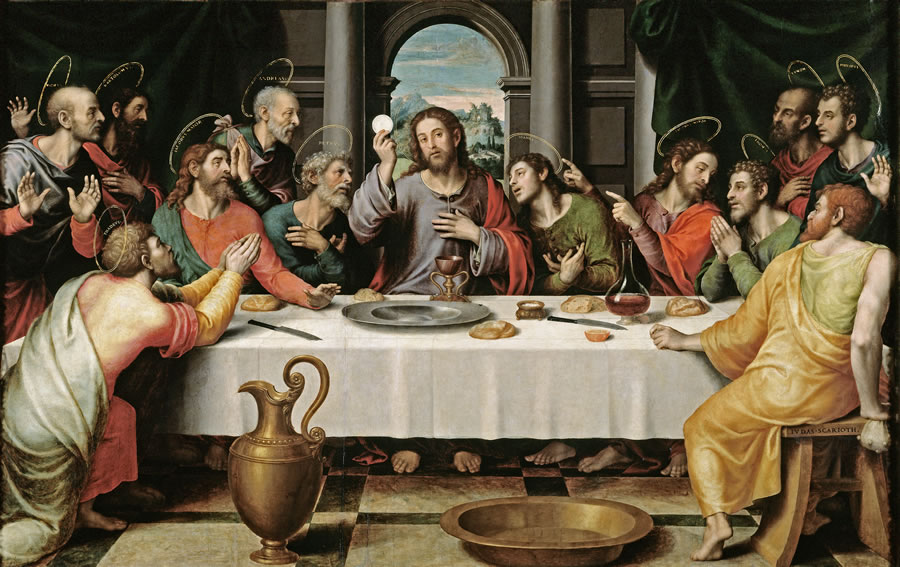
Solemnity of Corpus Christi
06-06-2021Weekly ReflectionFr. Bing ColasitoIn the first reading, the blood of animals seals the old covenant. In the Gospel, the blood of Jesus Christ seals the new covenant. The Holy Eucharist is the sacrifice of the new covenant where His flesh is real food, and His blood is true drink, the cup of salvation.
Before the hour has come for the Son of Man to be glorified: He asks His Apostle to prepare the Passover meal. The Jews celebrate the Feast of the Passover annually to commemorate their liberation from Egypt. The law requires all adult male Jews to go to Jerusalem; for this reason, Jesus went to Jerusalem together with His disciples. They follow the ritual of the celebration called the Passover Seder, similar to the Catholic Eucharistic Celebration.
READ MORE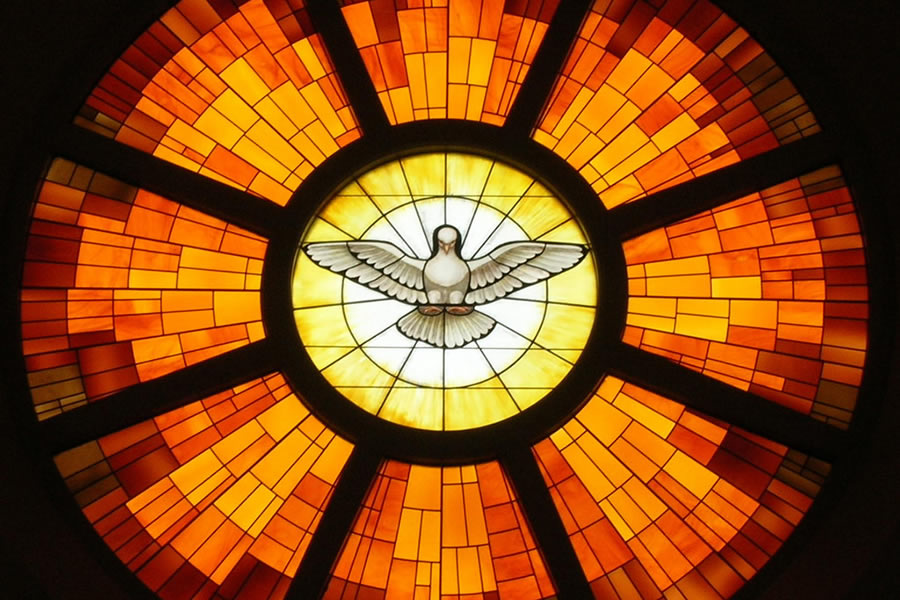
Most Holy Trinity
05-30-2021Weekly ReflectionFr. Bing ColasitoThe Solemnity of Pentecost, the coming of the Holy Spirit gives us an opportunity to reflect more deeply on the Mystery of the Most Holy Trinity. In the Old Testament, the image of God often is associated with a father. When Jesus came, He speaks a lot about His Father. He identifies Himself as the Son, the begotten Son, sent by the Father. Towards the end of His earthly life, Jesus often speaks about the coming of the Holy Spirit, the Advocate, the Counselor. And Jesus said this about the Holy Spirit: He will teach you everything and remind you all that I have told you. (Jn. 14:26) Thus, we can say that it is the Holy Spirit that enlightens us of the mystery of the Holy Trinity. As human beings, there is a quest in man to know more about the Father, the Son, and the Holy Spirit: To ponder their one life together, which is the inner life (economy) of the Trinity.
READ MORE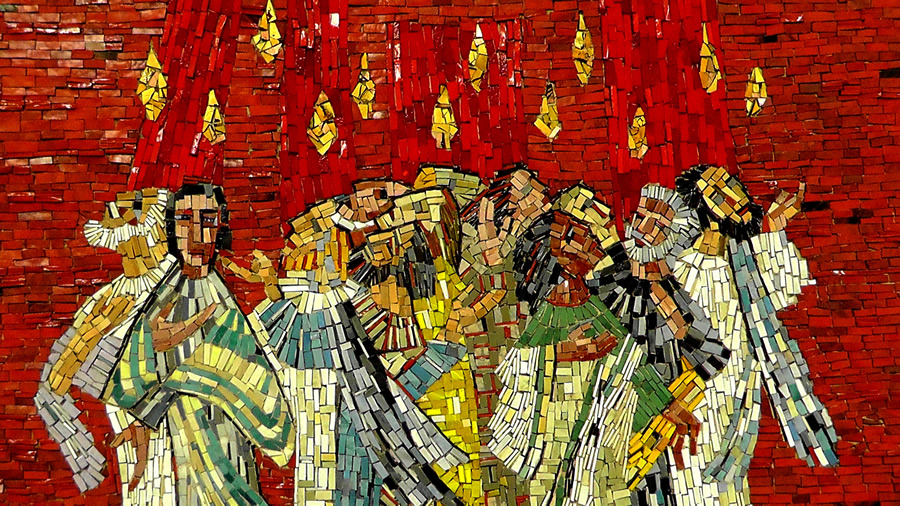
Pentecost
05-23-2021Weekly ReflectionFr. Bing ColasitoIn John, Jesus bestows the Holy Spirit on Easter Sunday Evening. While the Acts of the Apostles put this event at Pentecost, fifty days after Easter. Acts of the Apostles and the Gospel of John rely on two different traditions. But it suffices to say that although different in presentation, it is good to know that the Apostles and the disciples received the ordinary and extraordinary gifts of the Holy Spirit. That is, on Easter, Christ gave the Spirit to a limited number of people, then at Pentecost, the extraordinary gifts to all present.
READ MORE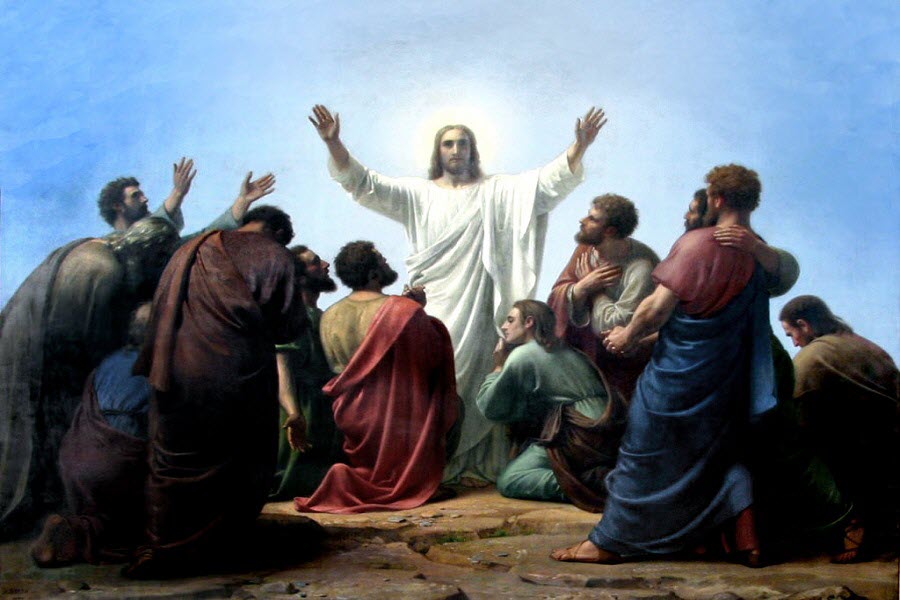
Solemnity of the Ascension of the Lord
05-16-2021Weekly ReflectionFr. Bing ColasitoLuke the Evangelist is also the author of the Acts of the Apostles. Addressing Theophilus, he mentions the Ascension of the Lord. How Jesus, after His resurrection, appeared to the disciples for 40 days. He instructs them to stay in Jerusalem until they receive the gift of the Holy Spirit. Then, they are to go to all of Judea, Samaria, and the ends of the earth to proclaim the Good News. And as soon as He said this, He was lifted - up into heaven before their eyes. To reenforce what they just witnessed, two angels confirm the Ascension of Jesus: Men of Galilee, why do you stand here looking up into the skies? That Jesus who went up into heaven will return.
READ MORE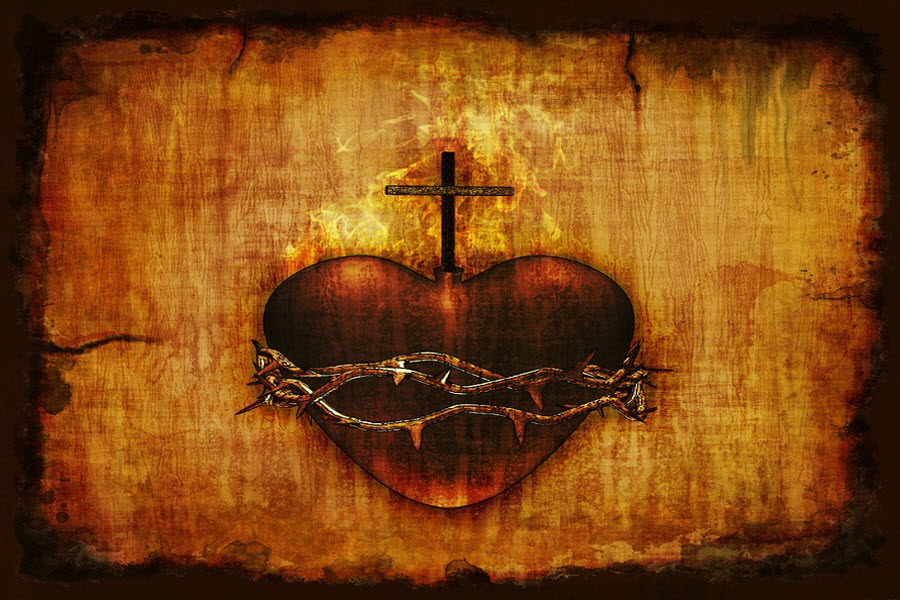
God's Love
05-09-2021Weekly ReflectionFr. Bing ColasitoJesus loves us unconditionally and greatly: should we not be convicted by His love? Many times, our love for Him is shallow, wavering, and conditional. Yet, He loves us no matter what, and He even calls us His friends, “you are my friends, and I no longer call you slaves.” In truth, we all have a long, long way to go in the road of love. I pray that we all constantly pray the Jesus’ prayer: Lord Jesus Christ, Son of God, have mercy on me, a sinner.” Let no one of us be self-righteous and proud.
READ MORE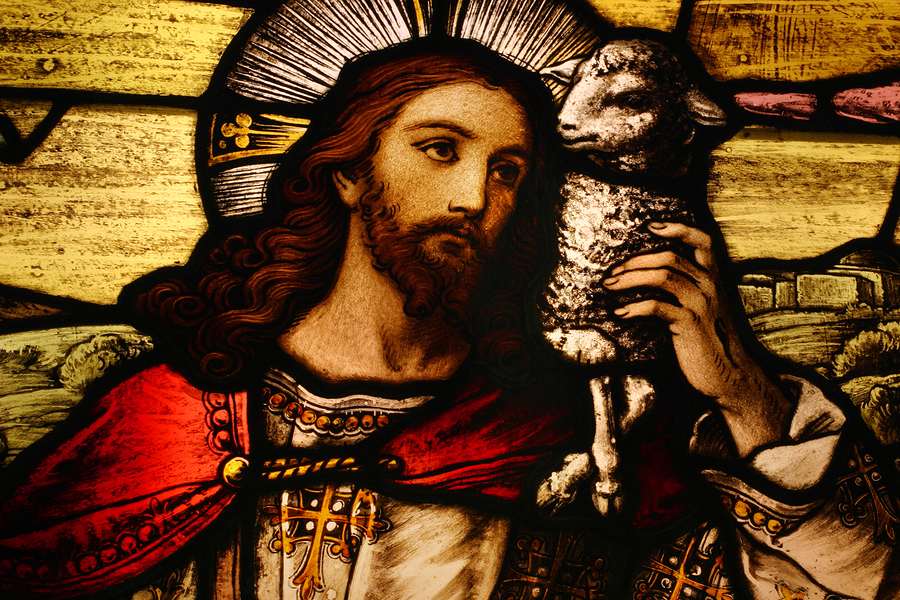
4th Sunday of Easter: The Good Shepard
04-25-2021Weekly ReflectionFr. Bing ColasitoThe first three Sundays of Easter bring us back to the days after the resurrection and deepen our understanding of the meaning of the resurrection of Jesus from the tomb. What does it mean to us? The Gospel brings us back to the early days of the ministry of Jesus. John uses one of the common occupations to describe His mission. Jesus describes Himself as a Good Shepherd who lays down His life from His sheep. Such is the image we reflect on Good Shepherd Sunday. Our Easter journey continues knowing that we are in the watchful care of the Divine Shepherd.
READ MORE3rd Sunday of Easter: Easter Faith
04-18-2021Weekly ReflectionFr. Bing ColasitoPeter stood before the people and tried to convince them of the true identity and mission of Jesus. That Jesus fulfilled the Old Testament prophecies about the Messiah; that His Christ would suffer (Act. 3:18). He wanted to make them realize the wrong they have done to the Messiah and convert them for the forgiveness of their sins.
Jesus appeared to two disciples on the road to Emmaus after His resurrection. Not understanding His words about the Messiah, Jesus opened their mind, heart; and made them see the whole horizon. Initially, together with the Apostles, they all doubted the resurrection of Jesus. So, Jesus had to lead them out of their fears and doubts and gave them the faith, confidence, and courage to go out to be His witnesses. Jesus has set them to become Easter people. Let us be open to the way God sees and does things. Let us not allow our selfish, limited, and biased opinions to cloud our faith in the resurrection.
READ MORE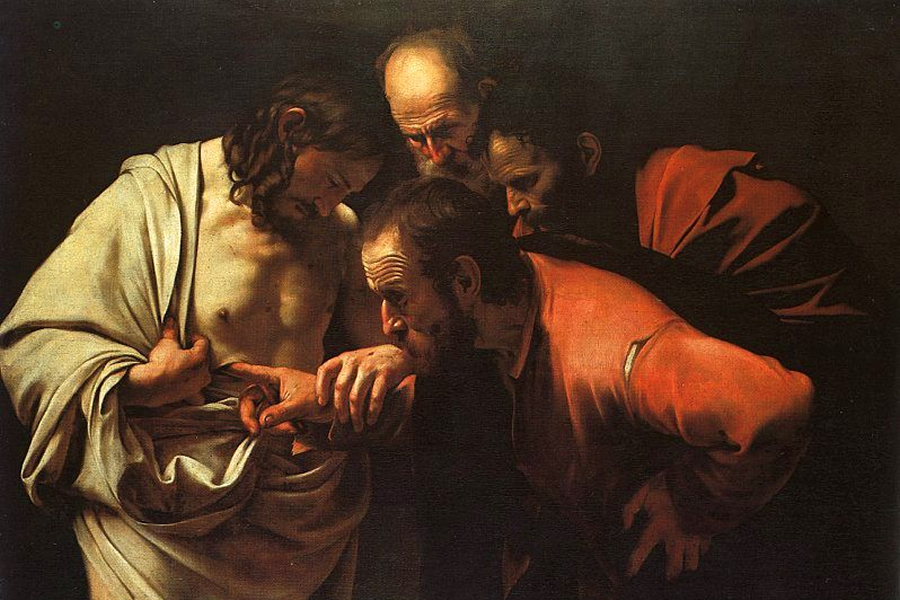
Divine Mercy
04-11-2021Weekly ReflectionFr. Bing ColasitoAfter the death of Jesus, his disciples scattered, afraid and unsure what their fate will be. But their faith in the resurrection of Jesus Christ prevailed. It led to a profound sense of unity among His disciples. Easter faith has changed the way they lived their lives. When we accept Jesus in our midst, the risen Lord is with us, and that He is one with His Church, we can overcome our worries about our needs and fear of those who act against His Church. But like the first community of believers, with one heart and mind, we can freely and joyfully look after one another’s needs.
READ MORE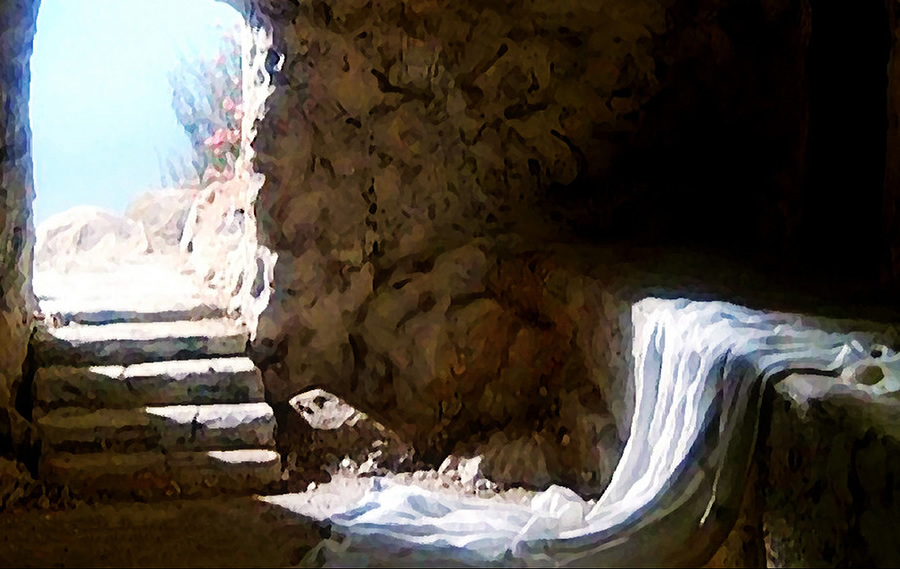
Easter Sunday: Alleluia! Alleluia! Alleluia!
04-04-2021Weekly ReflectionFr. Bing ColasitoIn a homily at the Cathedral of Hippo, St. Augustine said: You are an Easter people, and Alleluia is your song. A year into the pandemic, I joyfully greet everyone: A Blessed Easter, Alleluia! Alleluia! Alleluia! Be Easter people: we have survived the test of Covid-19 and the changes that it brought the whole world. The greeting of Alleluia means, Praise God. In ancient Hebrew, it means, Thanks be to God. To be an Easter person, therefore, is to be full of Praise and Thanksgiving to God. An invitation to have a disposition of gratitude or thanksgiving to God for everything. For this life, as we continue to live, thank God for every person in our life, for being part of our life. Remember: Some people are a blessing, and others are a lesson.
READ MORE