
2nd Sunday of Lent
02-25-2024Weekly Reflection©LPi — Father John MuirAs a college student, my prized possession was an after-market car stereo. It was my pride and joy: glorious audio, eye-catching display screen, and multi-disc CD changer. It drained my hardearned dollars, but it was totally worth it. It drenched me in music everywhere I drove. On Ash Wednesday of my senior year of college, Father Tom, the Jesuit priest at my university said, “Pray for God to tell you what he wants you to sacrifice for Lent.” I did. In my heart, the answer came: “Give up listening to your car stereo for forty days.” I winced. Not possible, I thought. Can’t do it. I made other plans. The next morning, I was stunned to find that my car had been broken into, and my fancy stereo ripped out and stolen.
READ MORE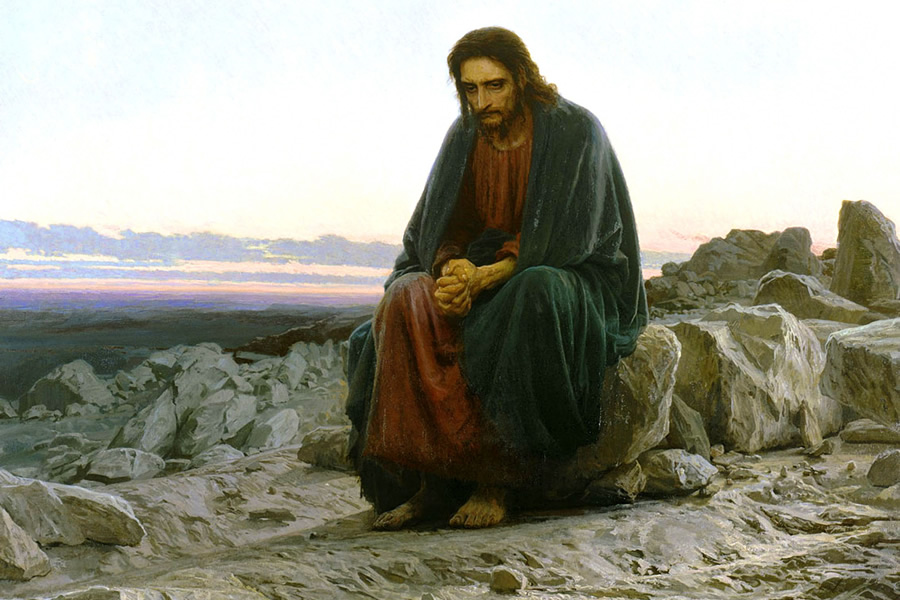
First Sunday of Lent
02-18-2024Weekly ReflectionFr. Bing ColasitoA covenant is a formal agreement between two parties. Assuming both parties enter into the covenant of their own free will, it is a bond that cannot be broken. As time goes on, that covenant will be tested and its validity questioned by skeptics, but it will remain I f it is real.
God's covenant with his people is real. It began with a promise made to Noah and was renewed in the person of Jesus Christ. It has been tested by man through sin and by evil through Jesus' trials in the desert. But here in 2024, it still remains as strong as ever.
READ MORE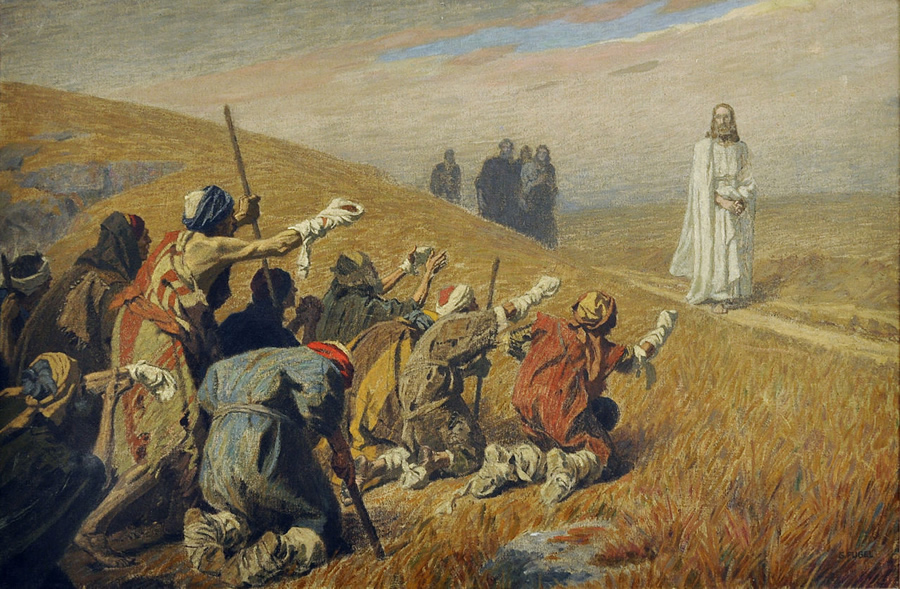
6th Sunday in Ordinary Time
02-11-2024Weekly Reflection©LPi — Father John MuirRecently I had a skin rash, and it was awful. (Please don’t tell anyone.) I am embarrassed to admit that I didn’t handle it well. Complaining, whining, begging for sympathy, and crying were my responses to the merciless itching and burning. In the aftermath, a silver lining emerged. I feel a new heartfelt sympathy for all those vexed with chronic skin problems. If you’ve ever had a seemingly unending skin problem, you know how that sympathy flows up from deep inside.
READ MORE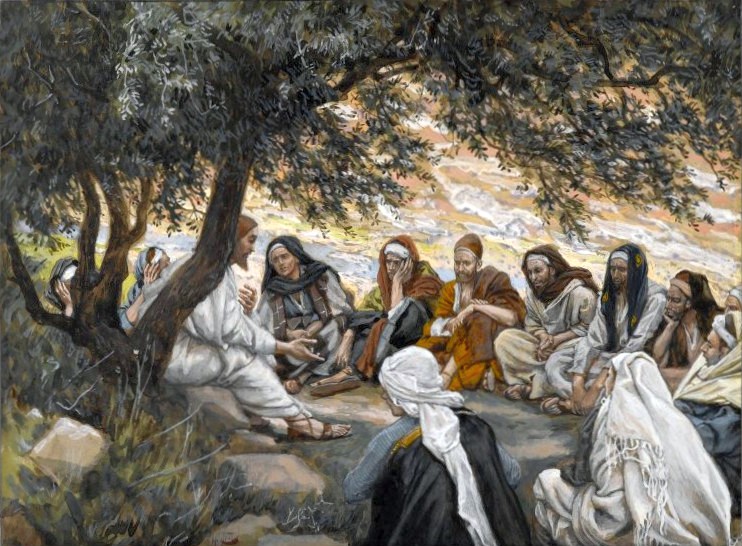
The Ministry of Jesus
02-04-2024Weekly ReflectionFr. Bing ColasitoThe four parts of the Gospel today consist of: First, Jesus heals the mother in law of Peter. Second, news spread of the presence of Jesus; He heals and casts out unclean spirits after sunset. Third, early morning, Jesus withdraws to a deserted place to PRAY. Fourth, Jesus visits synagogues and casts out evil spirits.
The readings give us a wide range of human experiences, from the darkness and hopelessness of Job, losing everything (1st reading), to the joy of healing and freedom from evil spirits provided by Jesus.
READ MORE
The Authority of Jesus
01-28-2024Weekly ReflectionFr. Bing ColasitoThe description of a future messenger of God fits any prophets in the Old Testament. Yahweh grants the request of the office of the prophet as the mediator between God and the people. But God will also send a final prophet, the eschatological prophet of the end times. Some see Jesus as the fulfillment of the eschatological prophet. The early Christian community saw Christ as the final prophet.
God knows not all people can dedicate themselves totally to Him. Thus, He respects the different states of life, married life, and unmarried state. For consecrated persons, it is ideal to be single because they would worry less about temporal things. They can exclusively offer themselves to the Lord with all heart and soul. But a married person, on the other hand, will be preoccupied with many other temporal things, plus their responsibilities towards wife and children.
READ MORE
Discipleship
01-21-2024Weekly ReflectionFr. Bing ColasitoThe 1st reading tells us how God shows infinite mercy even to a pagan nation, as long as they repent their deeds and believe His messenger (Jonah). The people of Nineveh listened to Jonah and repented and showed sincere acts of penance: The people of Nineveh believed in God; they proclaimed a fast, and all of them, great and small, put on sackcloth. (Jon. 3:5)
READ MORE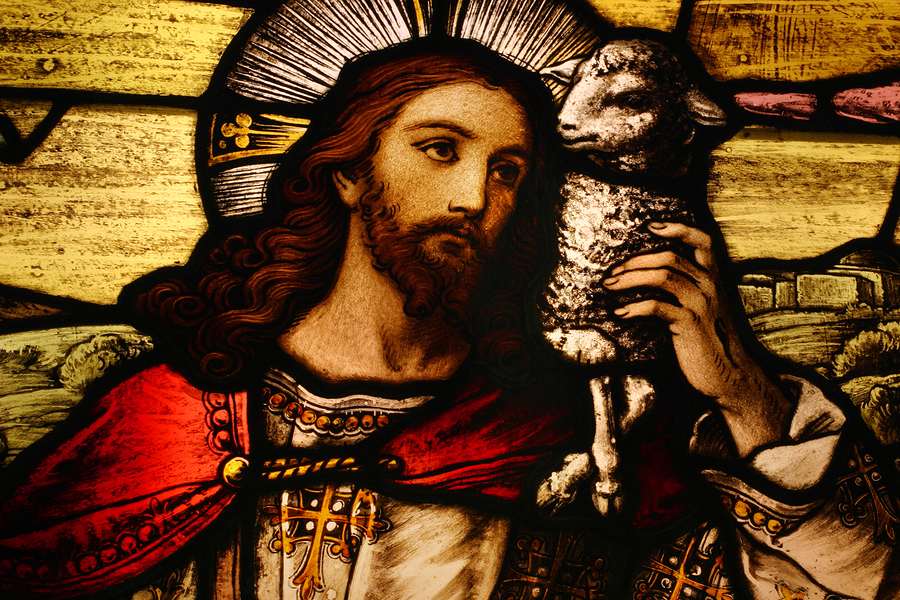
2nd Sunday in the Ordinary Time: The Lamb of God Jn 1:3542
01-14-2024Weekly ReflectionFr. Bing ColasitoJohn the Evangelist uses the theme of the Lamb of God a lot in his Gospel and the book of Revelation. For John the Baptist, Jesus is the Lamb of God. The symbolism of the lamb as an innocent sacrifice originated in the Old Testament. In the Temple liturgy, they sacrifice an innocent lamb as a holocaust or burnt offering. The burnt offering stresses the victim's character of the offering. The lamb symbolizes an innocent, harmless, and endearing sacrifice depicting the Savior, the Lamb of God. The prophets use these unique characteristics of the lamb to refer to the Messiah, the Christ.
READ MORE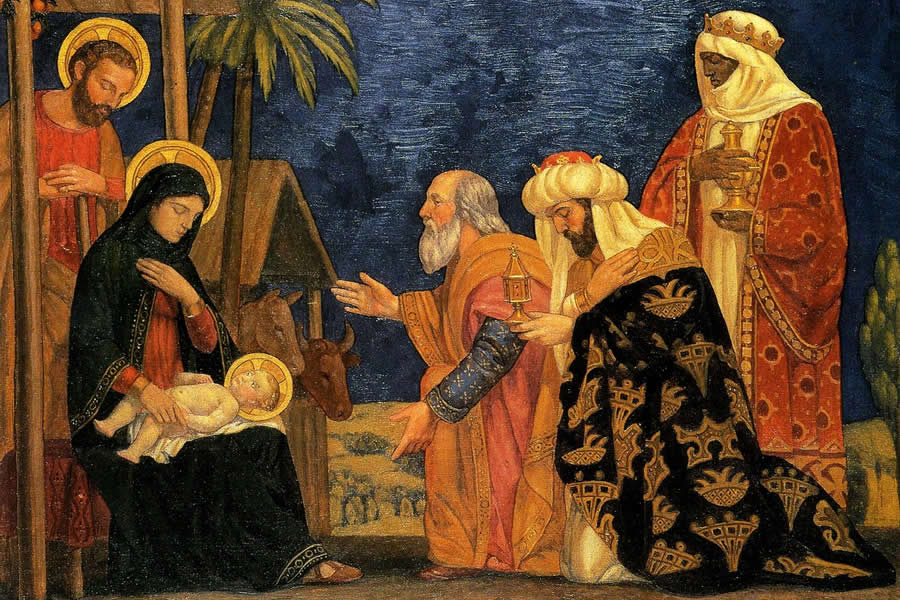
Solemnity of the Epiphany of the Lord
01-07-2024Weekly ReflectionFr. Bing ColasitoThe Solemnity of the Epiphany reveals the Divine plan of salvation of the world not limited to the Jews but opened to all humanity. God manifested or revealed Himself (Epiphany) as the Savior Jesus Christ to the Gentile world represented by the Magi or the Three Wise Men from the East. God revealed His plan, first to the Jewish people and veiled from the rest of the world. But in the fullness of time, God bared that the Gentiles are also part of the mystery of the redemption of the human race. Salvation is no longer exclusive to the Jews but for all.
READ MORE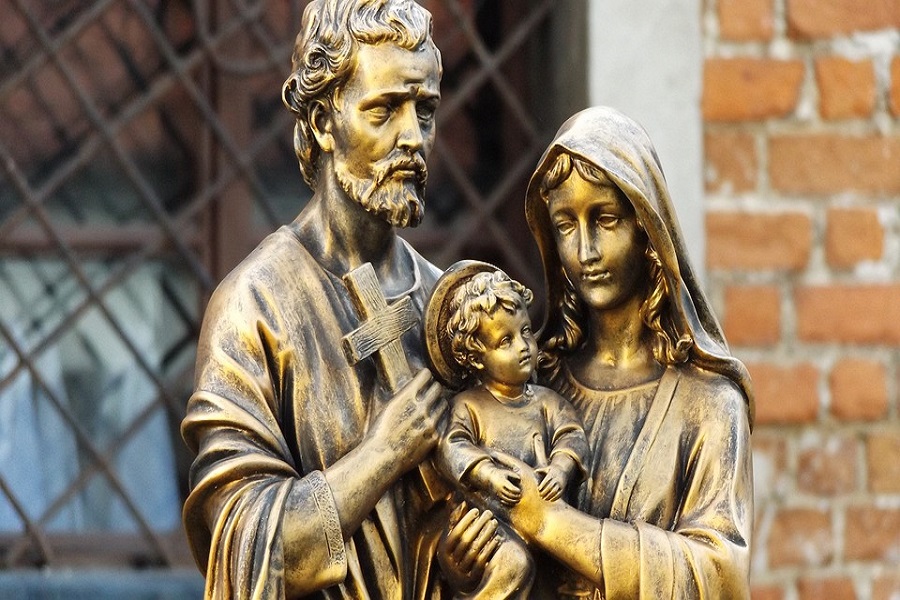
Feast of the Holy Family of Jesus, Mary, and Joseph
12-31-2023Weekly ReflectionFr. Bing ColasitoThings to Treasure in Our Heart
To be part of a family is one of the greatest blessings anyone should be THANKFUL. Every child is a blessing, a gift from God, and a gift from His creative nature. As soon as the baby is born, some parents already have high hopes and dreams for their children. Extended families, especially the grandparents would play and make wishes of how and who the child would be (future). Whatever our dreams for our children, may we not forget to create an atmosphere so they may grow to be strong, full of wisdom, the fear of the Lord instilled, and nourished by the word of God and the values of the Kingdom.
READ MORE
Encounter with Jesus
12-24-2023Weekly ReflectionFr. Bing ColasitoThe first time I had a real encounter with Jesus came unexpectedly. I was in my last year of engineering studies when I met the Gen Youth group of the Focolare Movement. Their smile, the joy they radiate, and their genuine concern for one another impressed me enough to inspire me to change my life. For one, the way I see the world and how I want to live my life. The more I got to know their charism, the more excited I was to try it. The movement espouses the charism of UNITY the prayer of Jesus That all may be one(Jn. 17:21)and embracing Jesus forsaken: In my life, my brothers and sisters, and in every moment. I relearned the spirituality of how to love God, others, and myself.
READ MORE
Third Sunday of Advent: Pointing Our Light to Jesus
12-17-2023Weekly ReflectionFr. Bing ColasitoIn the eighties (80s), every time we entered a movie house, there was usually an usher/usherette with a flashlight who led us into the dark movie house and pointed us to our seats. Notice that the usher/usherette does not beam the light to his/her face but to the steps as we go up the balcony and eventually toward our seats. In the same way, John the Baptist gave us an example of how we are to testify by focusing the light on Jesus, who is the LIGHT.
READ MORE
2nd Sunday of Advent: John the Baptist: Identity and Mission
12-10-2023Weekly ReflectionFr. Bing ColasitoEvery time we hear the name of John the Baptist, we associate him with his identity and mission: He is not the Messiah but the precursor, the herald, the one who is to come and prepare the way of the Lord. Today, we hear in the Gospel how busy, dedicated, and diligent he is in his mission to Prepare the way of the Lord and make straight His path.
READ MORE
1st Sunday of Advent: Waiting Intently for the Lord
12-03-2023Weekly ReflectionFr. Bing ColasitoWaiting is part of everyday life. We wait at the doctor’s office, dentist, supper market, and restaurants, and for the traffic light to turn green, in line at gasoline stations, communion lines at the church, etc. There is hardly any place to go where people do not have to wait. People wait for their favorite season or holiday to plan to travel and visit family, take some vacations, go on a pilgrimage, and others to make a move to another place, etc.
READ MORE