The Words of Eternal Life
08-25-2024Weekly ReflectionFr. Bing ColasitoThe Gospel reminds me of a story about an uncle, a physician who stopped coming to Church for fifteen years. Then, one day, while his younger brother, Fr. Basil Colasito, was vacationing with them, the older brother announced that he would shower and would like Fr. Basil to hear his confession. Everyone was surprised, and Fr. Basil, probably praying for this moment, candidly said: That’s what I am a priest for.
READ MORE
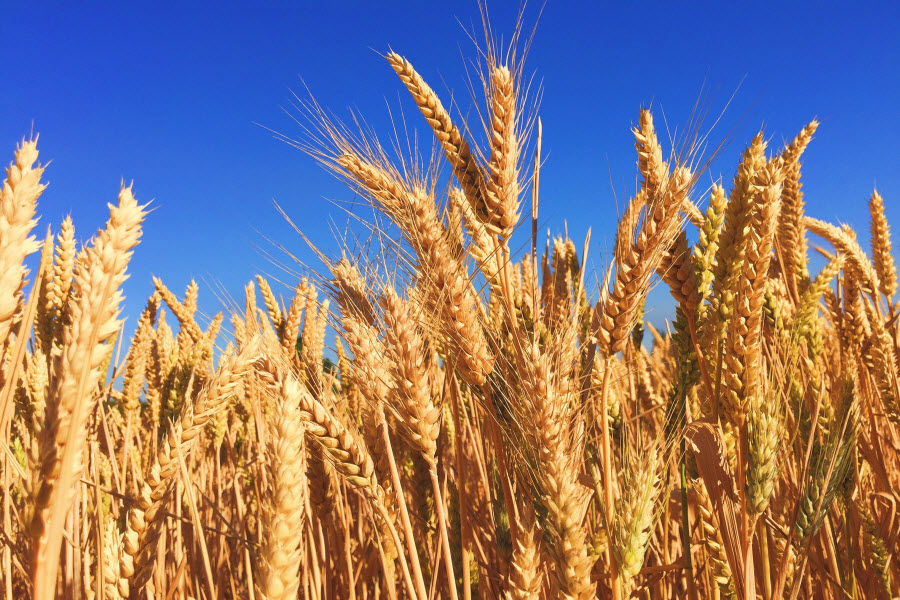
The Bread for Eternal Life
08-18-2024Weekly ReflectionFr. Bing ColasitoWhen Jesus spoke of the food that endures for eternal life, the crowd challenged Him to do something better than the manna their ancestors received in the exodus. In response, Jesus identifies himself as the bread of God that came down from heaven. He is the new bread from heaven, the Bread of Life. I am the BREAD of Life; whoever eats this bread will have eternal life. The bread that Jesus gives is His flesh, His crucified and glorious flesh. And now, He gives the same flesh in the Eucharist, the sacrament of His Body and Blood.
READ MORE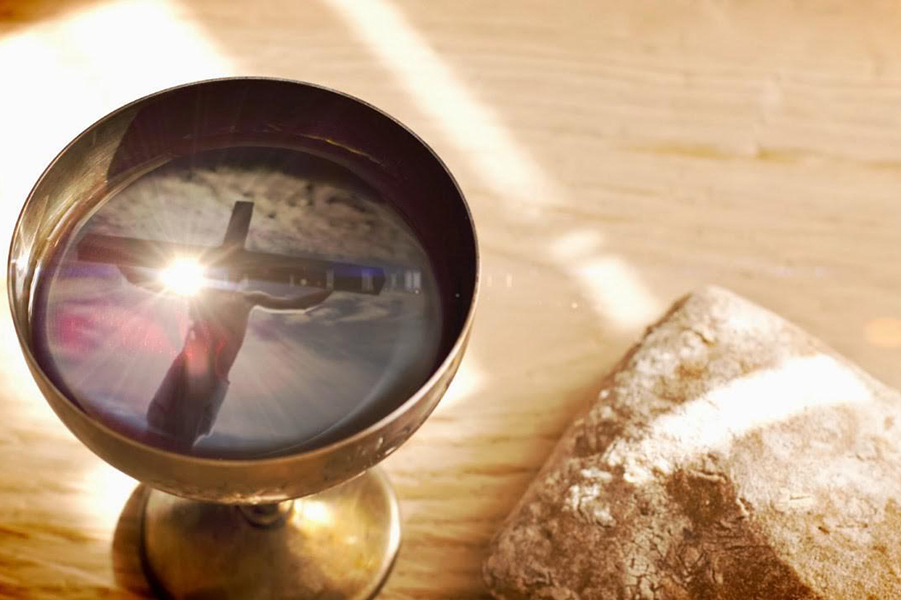
The Bread of Eternal Life: Jn. 6:4151
08-11-2024Weekly ReflectionFr. Bing ColasitoJesus became the Bread of Life by dying for us on the cross. He is the Bread God provided in our journey, much like the one provided for Elijah as he journeyed to Mt. Horeb, the miraculous bread. For forty days, Elijah lived with only this bread at Mt Horeb. The hearth cake that sustained Elijah was like the Holy Eucharist God provided food to sustain him in his journey. Is this not what Jesus said in the Gospel: He is the Bread of Life that came down from heaven, the source and sustenance of life until we reach our final destiny, eternal life?
READ MORE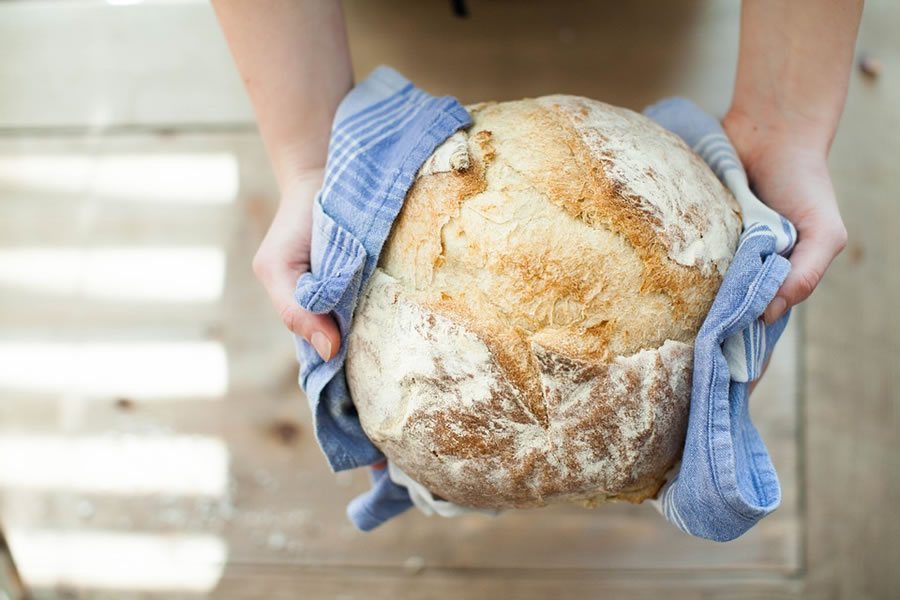
The Bread of Life
08-04-2024Weekly ReflectionFr. Bing ColasitoMany of the Jews of the Exodus were stubborn, grumbling, and complaining people. They grumbled and complained to Moses, and God performed several miracles to show His providential care for the people of Israel in their wilderness journey. He sent them manna, a word derived from the Hebrew expression: What is it? (manhu) (Ex. 16:15).There were attempts to reduce the symbolism of the manna as a congealed sap of a desert shrub. But the Scriptures clearly say that the manna was a supernatural phenomenon. Its appearance is limited to the forty years when Israel was in the wilderness (Ex. 16:35). Thus, there is only one possible explanation: God performs the miracle (Hebrew niphloth) in the deliverance of the people of Israel.
READ MORE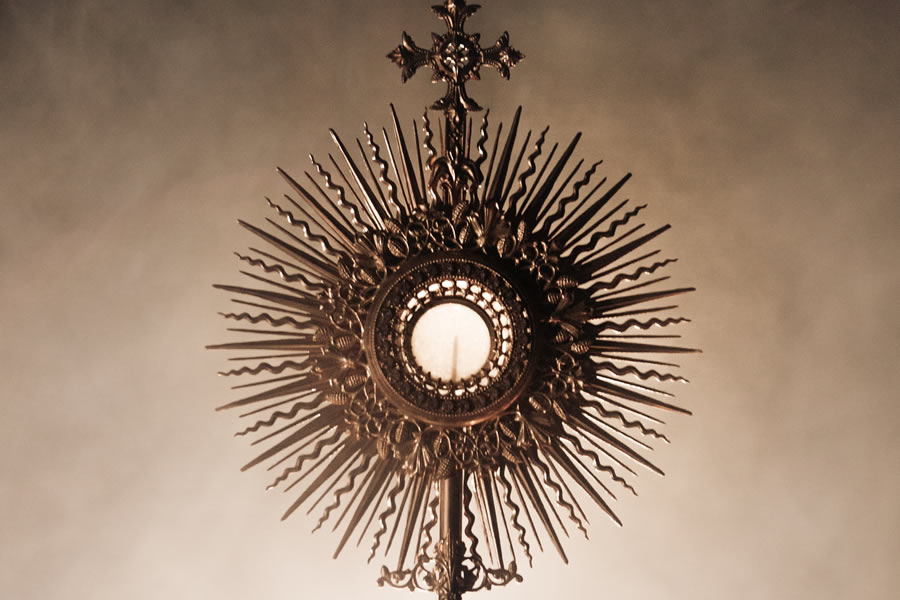
Be Witnesses of the Eucharist
07-28-2024Weekly ReflectionFr. Bing ColasitoI just returned from the 10th National Eucharistic Congress NEC in Indianapolis, IN. Every day of the NEC was a moment of grace; the experiences, testimonies, and teachings about the Eucharist could transform the world if taken with great love, devotion, and adoration of the Body, Blood, Soul, and Divinity of our Lord Jesus Christ. Bishop Robert Baron said that if there is one commandment we Catholics have consistently followed: Do this in memory of Me. Jesus says: This is my Body This is my Blood; He is God from God, light from light, true God from true God, is the theology of the Church, the theology of the Real Presence. Jesus says: This is my BODY given up for us. And this is my BLOOD shed for us. What becomes truly present is His Body given, and His Blood poured out, and we consumed the Eucharist and become what we eat confirmed unto love unto death.
READ MORE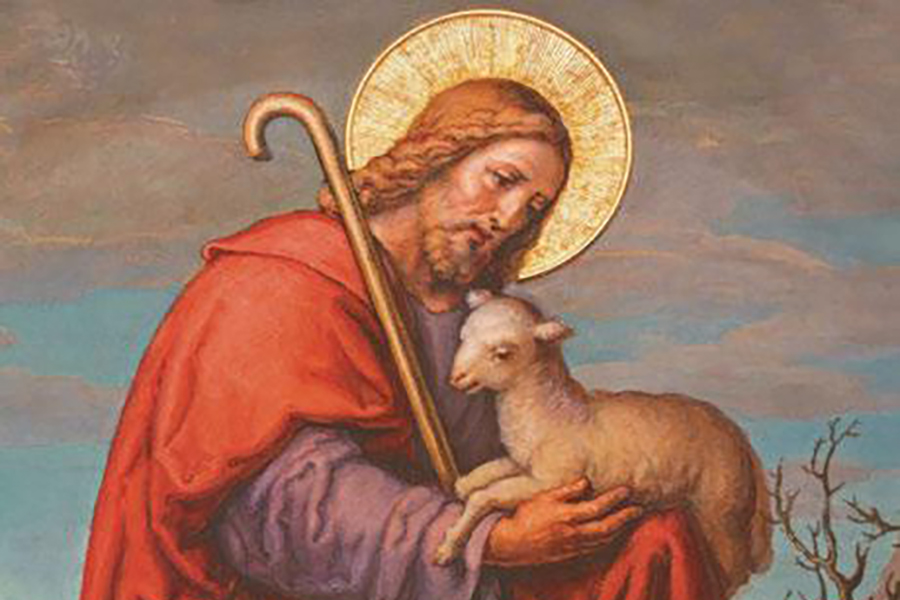
The Heart of the Shepherd
07-21-2024Weekly ReflectionFr. Bing ColasitoThe Gospel shows us the compassionate heart of Jesus as a Shepherd. Jesus sees the vast crowds of people waiting for Him on the other side of the lake. His heart moved with pity for them; they were like sheep without a shepherd. He sees through their heart, recognizes their needs, and pities them. Meanwhile, the disciples are also tired, have little time to rest, and cannot even find time to eat as people flock to them wherever they go. While working for the vineyard of the Lord, we also need to take care of ourselves. That is the message Jesus wanted to convey to His disciples. They need time to rest, recharge, and reconnect with the FATHER in prayer (in a deserted place).
READ MORE
Discipleship and Mission
07-14-2024Weekly ReflectionFr. Bing ColasitoDiscipleship entails being a missionary, for mission is essential to being a disciple. The Father sent the Son, Jesus, to proclaim His Kingdom here and now. Peace be with you. As the FATHER has sent me, so I also send you. (Jn. 20:21) As the Father sent Jesus, Jesus sent His disciples, the twelve (12), to be witnesses. And now, we are also sent by Jesus to be a witness to the whole world. The same is true with the Church. Every disciple is a missionary by their baptism. Disciples sent to continue the Church’s apostolic mission in a communion of faith and life with Jesus. The Christian vocation is, of its nature, a call to the mission. (CCC. 863)
READ MORE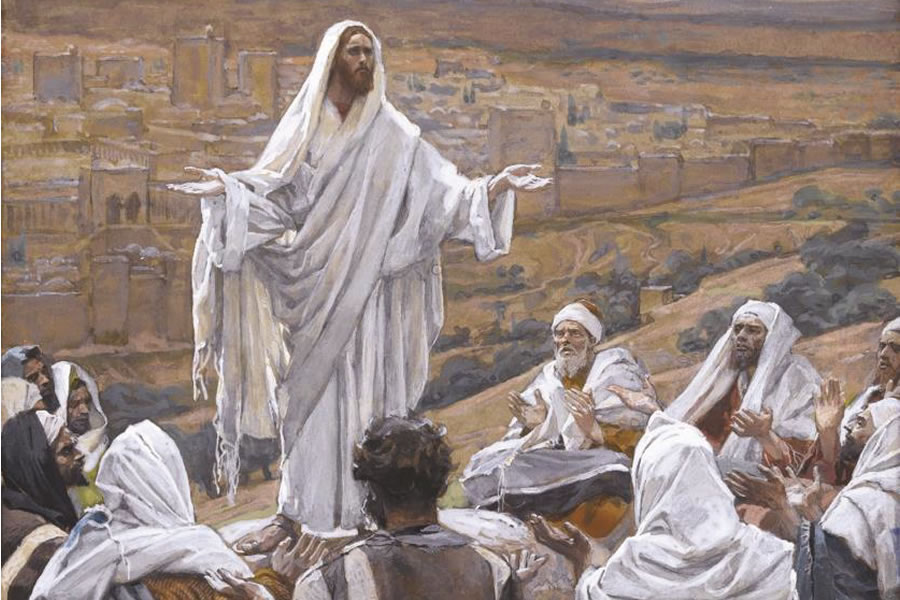
Love Not Hate
07-07-2024Weekly ReflectionFr. Bing ColasitoJesus visited His native place and went to the Synagogue on the day of the Sabbath. Since they heard good things about Him, they asked if He could say something; He took the opportunity to teach them. At first, they loved every word He preached and were astonished at His wisdom. But after a moment, they questioned His credibility and credentials. They could not believe that someone they knew could attain such wisdom and perform mighty deeds, and they took offense at Him. Familiarity breeds contempt. What started as an innocent question turned into contempt, doubt, rejection, and refusal to believe and have faith in Jesus.
READ MORE
The Power of Faith
06-30-2024Weekly ReflectionFr. Bing ColasitoThe story of the healing and the raising of the dead shows us that Jesus is omnipotent. Two completely different people benefited from Jesus’ divine power: A woman suffering from bleeding for 12 years and a 12yearold girl who had died. In both cases, faith made it possible for the miracle to happen. Take note that the woman with her hemorrhage and the father of the little girl overcame the crowd and put faith in Jesus in their hearts and God’s divine action flowed into their lives.
READ MORE
Jesus in Our Midst
06-23-2024Weekly ReflectionFr. Bing ColasitoThe disciples were awed and struck after they witnessed what Jesus did. There is power in His words that even the wind and the sea obey Him. They are left pondering the question of the real identity of Jesus. Most of Jesus’ disciples are good Jews. They believe that God alone has power over nature. And yet, they just witnessed a man who seemed to have absolute control over the forces of nature. And the ease that Jesus commanded the winds: Quiet! Be still! How is it that He acted as if with divine power? They did not know He is the Emmanuel; God is with us.
READ MORE
Walk by Faith and Not by Sight Mk 4:26-34
06-16-2024Weekly ReflectionFr. Bing ColasitoSt. Paul says: Walk by faith and not by sight. As Christians, we have faith and total confidence in God. We know the Lord is with us. The introductory dialogue of the Mass reminds us of this truth: The Lord is with you. He is on our side, working for our good. St. Paul believes this because he is a man of faith and trust in God. Unfortunately, not all are at that level in their faith, and many are anxious for fear of losing control of their lives. That is like walking by sight and not by faith.
READ MORE
Spiritual Kinship with God and Others
06-09-2024Weekly ReflectionFr. Bing ColasitoScribes who came from Jerusalem must have heard the power of Jesus. What they heard was true; Jesus had power over demons, but instead of ascribing this power to God, they accused Him of acting in the name of Beelzebul, the prince of demons. In the same scene, the crowds criticized Him for being out of His mind or beside Himself because He failed to nourish Himself properly. Sometimes, the ministry could be the most unrewarding service; there will always be people up to the guns of criticizing, judging, and misunderstanding our intentions, methods, and actions. In ministry, most of the time, there is no such thing as a winwin situation: whatever work, service, or ministry.
READ MORE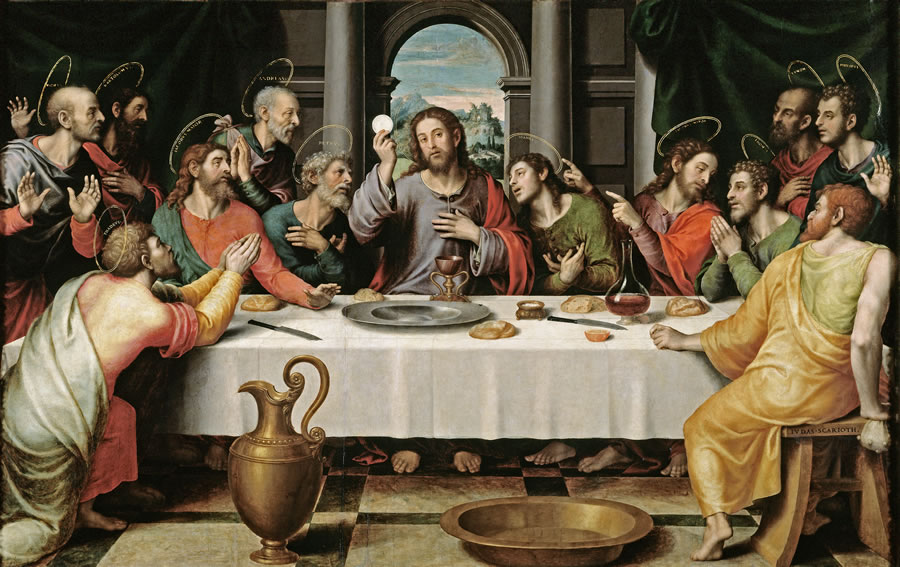
Solemnity of Corpus Christ
06-02-2024Weekly ReflectionFr. Bing ColasitoIn the first reading, the blood of animals symbolizes a covenant-making ritual. Sprinkling the blood on the people means God and the people are making the covenant together. The blood has two symbolisms: 1.) Kinship: God and Israel now share the same blood, and 2.) Death: May my blood be shed, like these animals, if I fail to keep my covenant commitment. On the other hand, in the New Testament, the blood of Jesus Christ seals the new covenant. The Holy Eucharist is the sacrifice of the new covenant where His flesh is real food, and His blood is the true drink of the New Covenant, the cup of salvation.
READ MORE