
Holy Father passes away Monday at the age of 88
04-27-2025Weekly ReflectionBishop John Dolan, Diocese of Phoenix“With deep sorrow, yet with enduring hope in the Resurrection, we mourn the passing of our Holy Father, Pope Francis. A shepherd to the world, he was a man who listened—truly listened—not only to the faithful within the Church but to people of all faiths and goodwill. He reminded us that even those without faith in God could offer their kind thoughts, and he humbly welcomed them.
"Pope Francis was a man of accompaniment, walking alongside the poor, the marginalized, migrants, refugees, and the displaced. His heart was always with those on the peripheries, and he tirelessly advocated for their dignity and rights. His most recent Synod on Synodality provided a roadmap for the Church’s future, one rooted in encounter and listening. ‘Todos, todos, todos,’ he would say—everyone belongs in the conversation, for the Church is the home of all.
READ MORE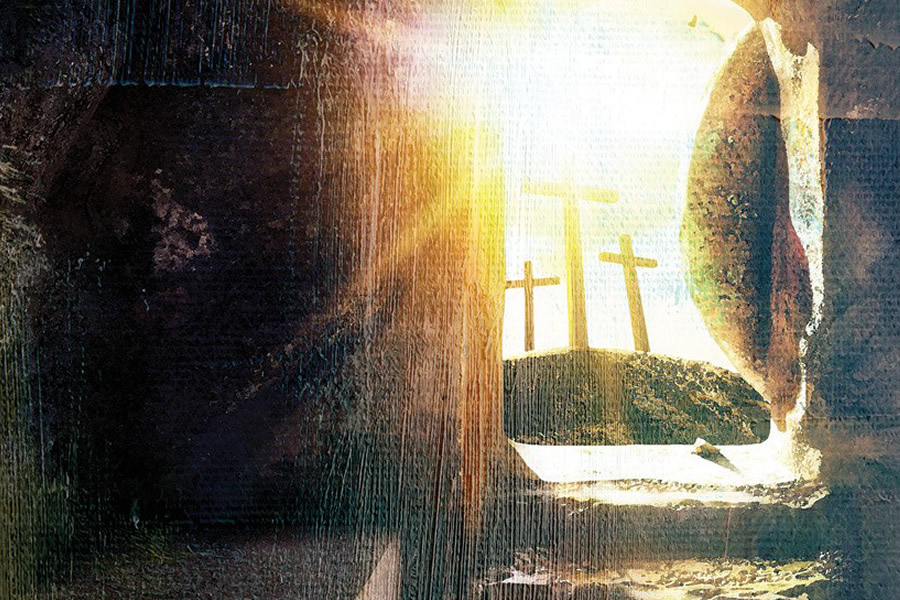
He is Risen!
04-20-2025Weekly ReflectionFr. Bing ColasitoAlleluia! Alleluia! Alleluia! Rejoice! The Lord has risen. Today, the whole of Christendom marks its highest feast, EASTER, the Resurrection of our Lord Jesus Christ. Behind the great salvation of humanity is the story of the Lord’s suffering and dying for us. His death was the Redemptive Death. The entire redemptive act, known as the Paschal Mystery, began with His birth, encompassing His life, death, and resurrection. But without His resurrection, His life, suffering, and death would be meaningless for our salvation.
READ MORE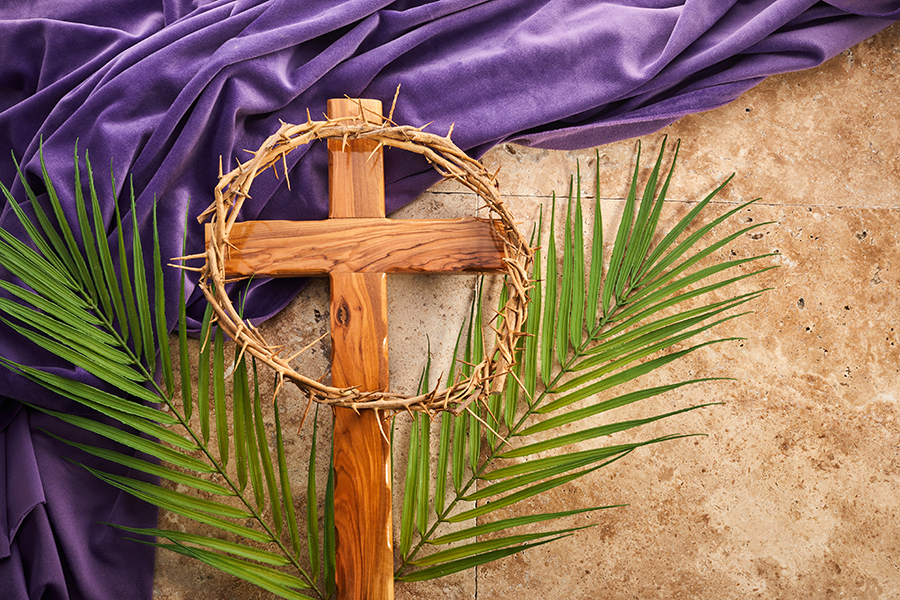
Holy Week: A Faith Journey
04-13-2025Weekly ReflectionFr. Bing ColasitoPalm Sunday marks the beginning of the Holy Week. Wherever you are this Holy Week, whatever you do to observe it, just do it all with love and gratitude to God, who loved us so much He sent His only Begotten Son, who suffered greatly, died, and rose again for you and me.
All our prayers, fasting, and acts of charity throughout Lent lead to this week. It is a week filled with high emotion and drama—the PASSION of the Son of Man, who suffers and dies a cruel death, only to rise three days later to give us new life. The Passion narrative reveals God's immense love for us and offers hope for our situation. Now, God invites us to embark on a journey of faith, a way of life, or a new level of existence. As Pope Benedict XVI, Pope Emeritus, explains: “Being Christian is a path or, better, a pilgrimage; it is to travel with Jesus, to journey in the direction He has pointed out and is pointing out to us.” May this Holy Week be an opportunity for all of us to follow Him, know Him better, and love Him more.
READ MORE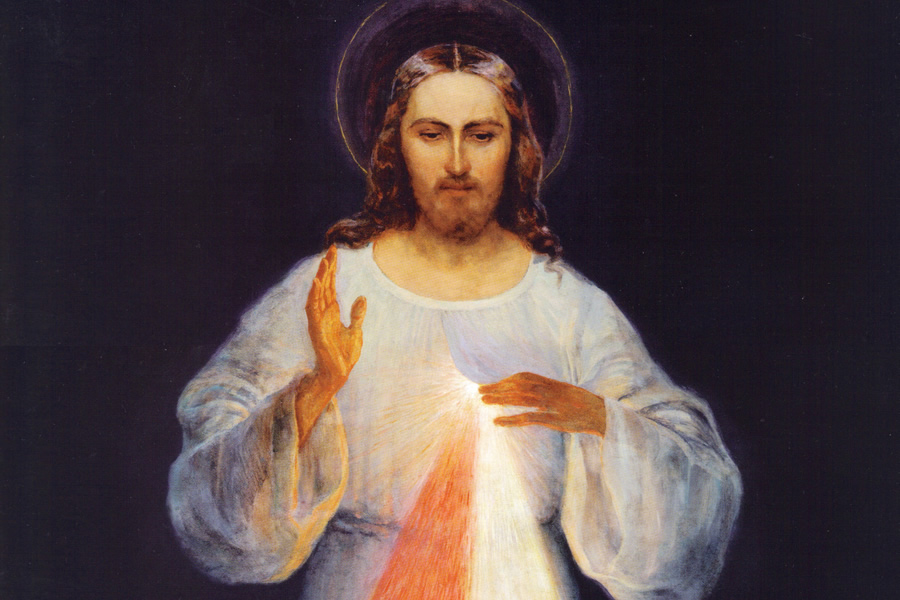
Mercy and Love
04-06-2025Weekly ReflectionFr. Bing ColasitoLike the Gospel last Sunday, Jesus brings us closer to the heart of the mystery of His Divine Mercy. He shows mercy to the woman caught in adultery. When the elders were ready to condemn the woman, Jesus showed mercy and did not condemn her. “Neither do I condemn you.” Rather than condemnation, the Lord showed her unconditional love and forgiveness. We can all be confident of God’s mercy no matter how unworthy we are! With the scribes and Pharisees, Jesus tried to win their hearts and minds to extend mercy to the woman, but pride kept them from doing so.
READ MORE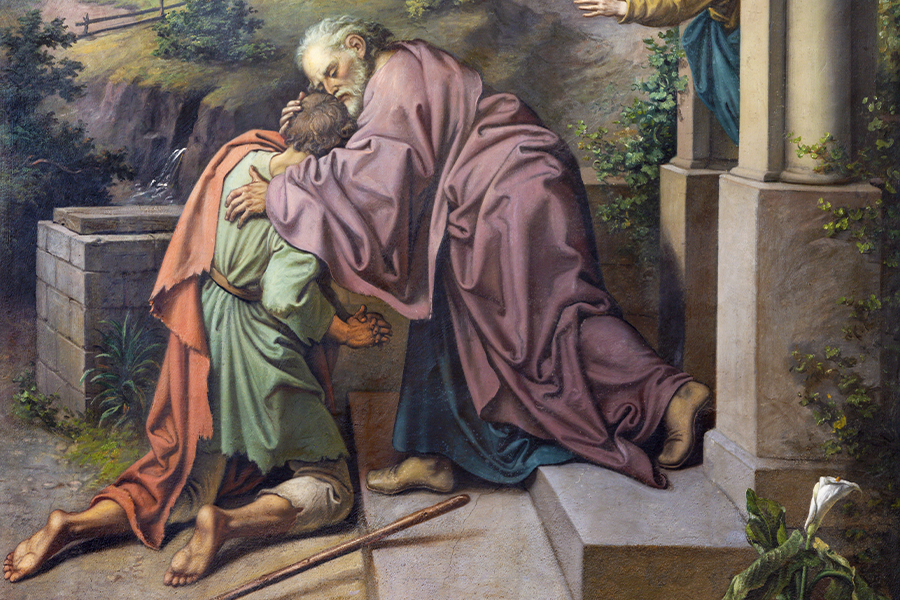
The Repentant Son and the Merciful Father
03-30-2025Weekly ReflectionFr. Bing ColasitoIn the Parable of the Prodigal Son, a father has two sons, and the younger son claims his inheritance in advance, contrary to Jewish custom. By right, the first-born son should inherit most of the wealth, and the younger son has no right to demand his inheritance.
READ MORE
The Covenant of Love: Repentance and Bearing Fruit
03-23-2025Weekly ReflectionFr. Bing ColasitoScriptures provide hundreds of proofs that God’s mercy knows no bounds. In the New Testament, the sacrifice of Jesus Christ on the cross and His resurrection makes evident His love and power over sin and death. The forgiveness of sins is possible through the Paschal Mystery and the mediation of the Church. Whose sins you forgive are forgiven them, and whose sins you retain are retained (Jn. 20:23). God forgives sins, and He never tires forgiving sins. But through the sacrament of reconciliation, the Lord forgives sins and blots out all our offenses. Jesus is the Divine Mercy; through the absolution, the priest gives in the Sacrament of Penance restores the penitent to the grace to act with charity and grow in love with Him.
READ MORE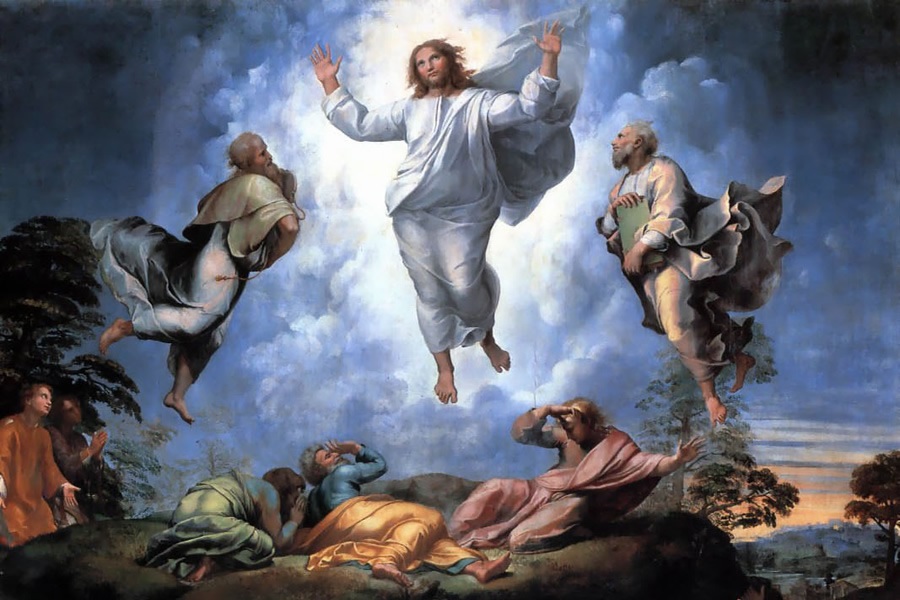
The Transfiguration: A Call to Transformation
03-16-2025Weekly ReflectionFr. Bing ColasitoIn the Old Testament, many consider Abraham as the Father of Faith. The first reading narrates the story of God choosing Abram (Abraham) and the promise God made to provide him and his descendants, both progeny and land. Although childless and over seventy-five years old, Abraham responds with great faith—this is how he built his friendship with God. God established a covenant with Abraham, whose descendants would be as numerous as the number of stars in the sky. Despite being without a child at that time, Abraham believed. The faith of Abraham is the faith we received as his spiritual descendants.
READ MORE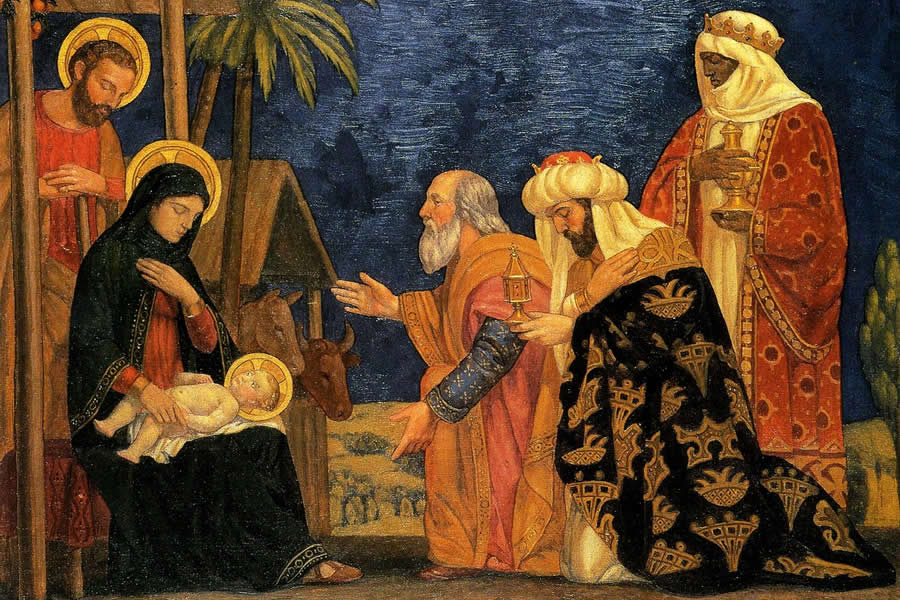
The Epiphany of the Lord
01-05-2025Weekly ReflectionFr. Bing ColasitoHave you ever wondered why the magi had gold, frankincense, and myrrh? Matthew’s Gospel tells us, “Then they opened their treasures and offered him gifts of gold, frankincense, and myrrh” (Matt. 2:11). Why are these things their “treasures”? One possible answer is they were magicians and astrologers, and these three items were the tools of their questionable trade. In offering them to Christ, they demonstrate that they will cease using such items to predict or control life. They place this baby king, the God of Israel, at the center of their lives, and not their own devices of control, manipulation, and prediction.
READ MORE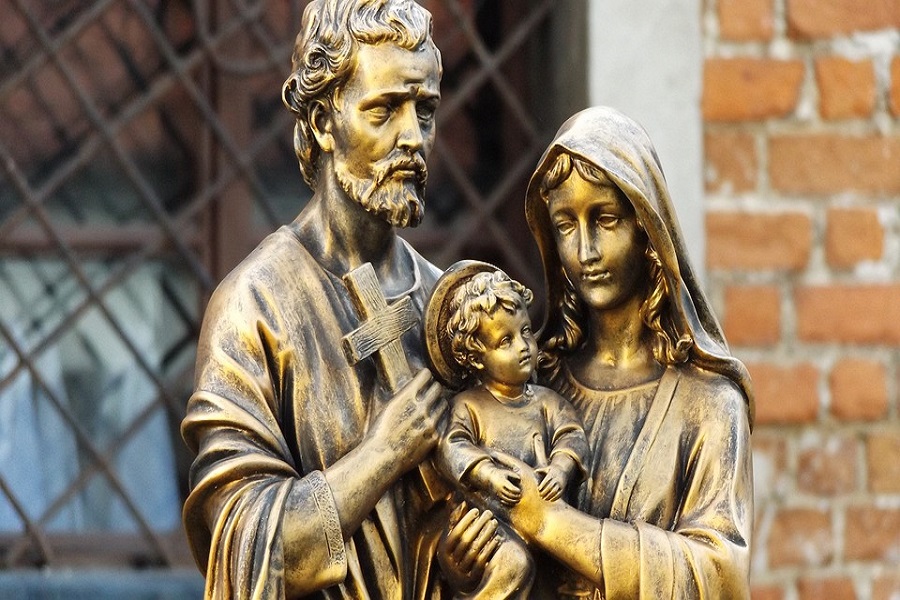
Feast of the Holy Family
12-29-2024Weekly ReflectionFr. Bing ColasitoThroughout the Infancy Narrative, we hear almost nothing about what Jesus did or said. Most of the time, we learn something about Him from the actions and words of other people and the events in the narrative. At the Annunciation, the angel Gabriel revealed Jesus as the Son of God (Lk. 1:35). At His baptism, a voice from heaven said: "This is my beloved SON with whom I am well pleased" (Lk. 3:22). In v.49, Jesus refers to God as His Father. The finding at the Temple is the only glimpse we have of His childhood. About the mystery of His total consecration to the mission that flows from His divine Sonship. (CCC, 534)
READ MORE
The Divine Plan
12-22-2024Weekly ReflectionFr. Bing ColasitoIn the Gospel, we hear the Blessed Mother travels in haste to Judah to visit her cousin Elizabeth. It was not haste due to pressure or obligation but one filled with awe and joy for all the marvelous things happening according to God’s Divine plan. A Holy Haste, which did not leave Mary stressed, exhausted, and frustrated. The haste of Mary reflects her obedience, humility, and trust in something or someone greater than herself. Mary’s haste comes from the joy in her heart after the events of the Annunciation: the prophecies of the Old Testament are happening; God’s divine plan is unfolding, and she plays a significant role in this plan.
READ MORE
Gaudete Sunday: Prepare and Do Everything with Joy
12-15-2024Weekly ReflectionFr. Bing ColasitoGaudete Sunday is the Sunday of Joy. The pink candle symbolizes the joyful anticipation of His coming and the commemoration of His birth in Bethlehem on Christmas Day.
The readings and the psalms all focus on the joy we experience anticipating the birth of the Savior, calling us to be joyful always. For those in deep sorrow, the prophet Zephaniah exhorts them also to rejoice. St. Paul’s 2nd Letter to the Philippians is likewise an invitation to be joyful and glad for the Lord to come soon, and he will remove all fears from their hearts. The Gospel invites us to walk the path of righteousness and love; do this, and there will be great rejoicing.
READ MORE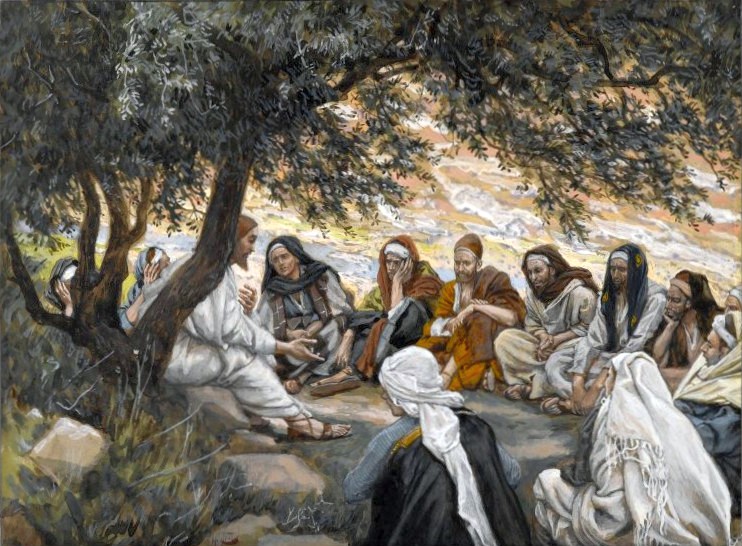
Ways of the Lord
12-08-2024Weekly ReflectionFr. Bing ColasitoAs the Parochial Vicar at St. Theresa in Phoenix, I did the Marriage Preparation or PreCana Program. One day, a couple came and said they wanted to get married in the Church. When I asked them to sign up for the program, they hesitated and questioned the rationality of preparing for marriage when they already loved each other and had known each other for years. I explained that whether they are aware of it or not, they are being prepared for marriage by the secular world. The mass, print, and social media often highlight broken relationships, infidelities, divorces, and separations as an expected occurrence, taught and subjected to erroneous ideas and values about marriage.
READ MORE
Hopeful Longing and Joyful Hope of His Coming
12-01-2024Weekly ReflectionFr. Bing ColasitoWhat is the true spirit of the Advent season? Answer: Humility and gratitude before God. If only we can humbly accept our sinfulness and gratefully believe in His mercy and love, our ADVENT has come.
The ultimate goal of every Christian is to be one day with Jesus, the source and giver of eternal life. He is the incarnation of the love of God comes into flesh: I came so that they might have life and have it more abundantly. (Jn. 10:10)Advent season is that renewed preparation and desire to meet Jesus worthily when He comes. The Collect (Opening prayer) this Sunday captures this desire: Grant your faithful, we pray, Almighty God, the resolve to run forth to meet your Christ with righteous deeds and HIS coming, so that gather at His right hand, they may be worthy to possess the heavenly Kingdom.
READ MORE