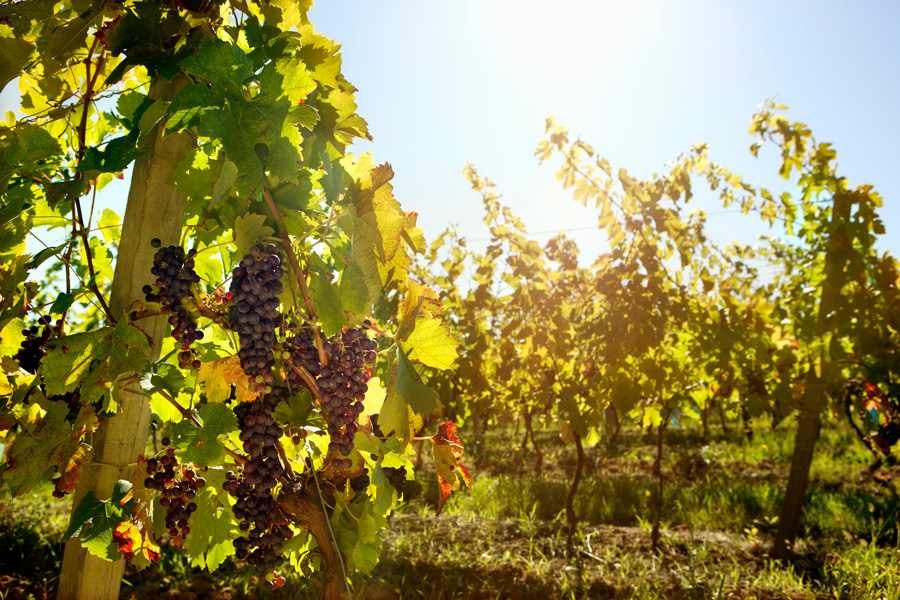
The Parable of the Tenants
09-20-2026Weekly ReflectionFr. Bing ColasitoIn the First Reading, Isaiah tells us that the Lord chose Israel and made it His vineyard. The Lord carefully prepared a fertile hillside, cleared the land, planted choice vines, and did everything necessary for the vineyard to flourish. However, the vineyard disappointed Him because it produced wild grapes instead of the good fruits He expected.
READ MORE
Forgiveness from the Heart
09-13-2026Weekly ReflectionFr. Bing ColasitoBecause the Lord is kind and merciful, we are called to be kind and merciful toward one another. The first reading invites us to forgive without limits. Our forgiveness reflects the compassion of God the Father and of His Son, Jesus Christ, who established with us a new covenant—a covenant of eternal love, mercy, and forgiveness.
READ MORE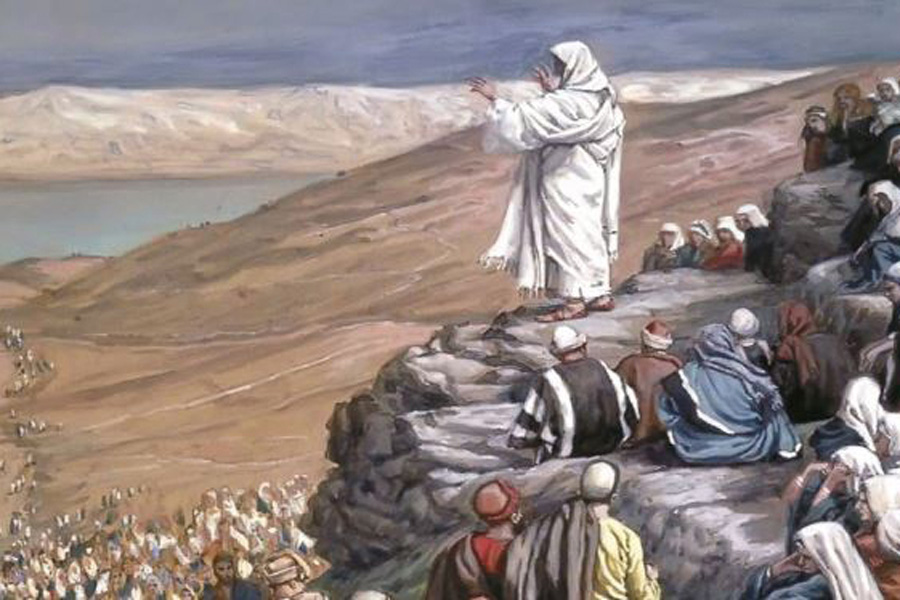
Fraternal Correction
09-06-2026Weekly ReflectionFr. Bing ColasitoFraternal Correction: Winning Our Brother and Sister Back to God
The readings this Sunday speak to us about a difficult but very necessary dimension of Christian life: fraternal correction—the responsibility we have to help one another return to the Lord when we have gone astray.
READ MORE
Demands for Discipleship
08-30-2026Weekly ReflectionFr. Bing ColasitoThe prophet Jeremiah had a timid, introspective disposition, yet God chose him: “I place my words into your mouth!” says the Lord. Jeremiah led a lonely life; he never married and was avoided by friends, priests, and relatives because he was a prophet and because of his mission. He was not a very popular prophet of his time, because nobody wants to be blamed for their sins. Jeremiah carried many crosses; he was arrested, put in jail, in an empty cistern, and constantly feared for his life. Despite the many hardships, he continued to preach the word of God and preached the truth.
READ MORE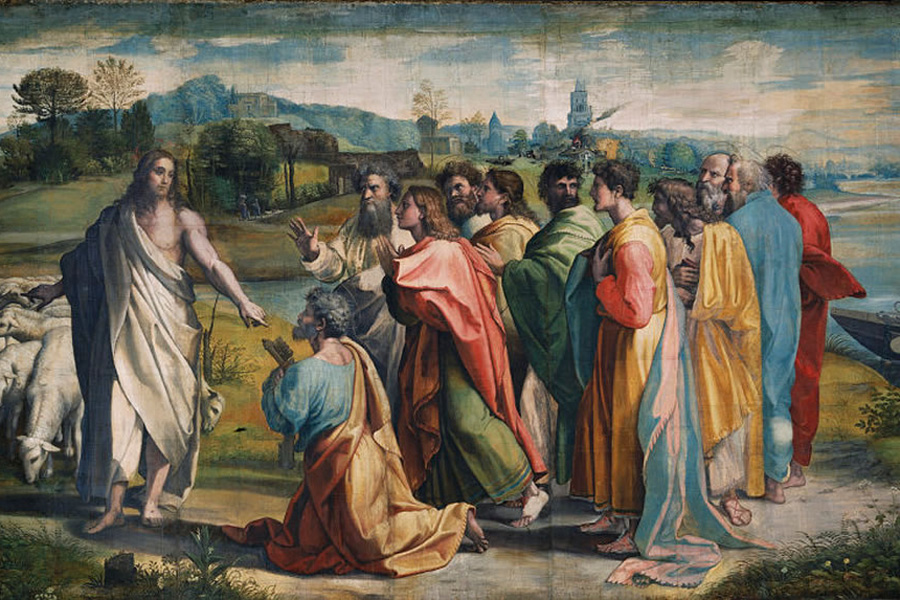
The Faith of Peter
08-23-2026Weekly ReflectionFr. Bing ColasitoIn Caesarea Philippi, Jesus asked His disciples, “Who do people say the Son of Man is?” As His fame spread, Jesus wanted to know how people perceived Him. Were they open to His message and mission? The people of that region were pagans and perhaps less biased toward His teaching. After hearing the disciples’ answer, Jesus asked them directly: “But who do you say that I am?” Their first response revealed no clear consensus; most people saw Him as one of the prophets, or even as John the Baptist.
READ MORE
Unwavering Faith
08-16-2026Weekly ReflectionFr. Bing ColasitoToday, we hear in the Gospel of the Canaanite woman who begged Jesus to help her daughter, tormented by evil. Though she was not a Jew and felt her unworthiness, she persisted in her plea: “Even the dogs eat the scraps that fall from their masters’ table.” In her, we see humility, faith, and gratitude—qualities rewarded when Jesus healed her daughter. Do we have the same faith and persistence as the Canaanite woman?
READ MORE
Encounter with God
08-09-2026Weekly ReflectionFr. Bing ColasitoThis Sunday's readings present three different encounters with God. Elijah meets the Lord on Mount Horeb, the mountain of God. St. Paul, in his Letter to the Romans, encounters the Lord Jesus in the depths of his conscience. And the Apostle Peter, in his characteristic boldness, meets Jesus walking on the waters. Three different people, three different encounters with God. As we reflect on these stories, we are invited to examine our own personal encounter with the living God.
READ MORE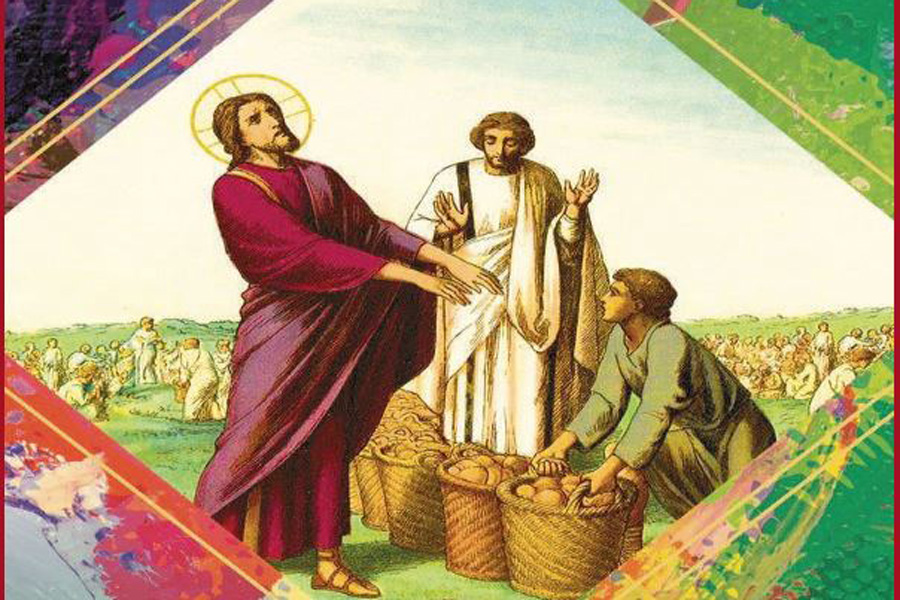
Jesus in the Midst
08-02-2026Weekly ReflectionFr. Bing ColasitoThe multiplication of bread is the only miracle story found in all four Gospels. Here, Jesus feeds 5,000 with 5 loaves and 2 fish. The people are delighted by a deed they had never seen from their leaders. Yet, once their hunger is satisfied and their awe fades, they forget the true meaning of the event. Jesus teaches us to look beyond the surface, to reflect more deeply, and to discover the real treasure of life: Jesus in the midst of His people. “What is essential is invisible to the eye... The essential things in life are seen not with the eyes, but with the heart.”
READ MORE